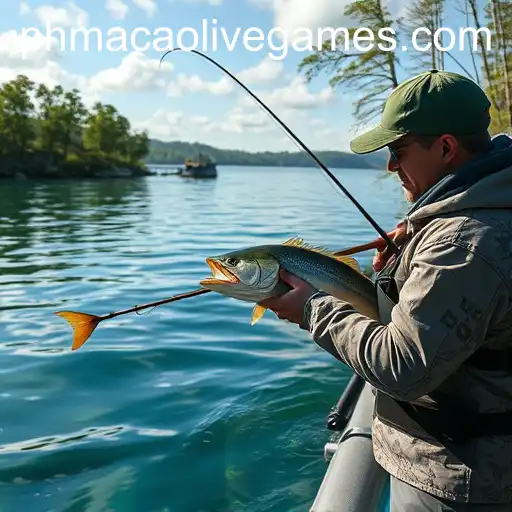
The Evolution and Challenges of Online Fishing
The digital age has brought about a myriad of changes, not just in communication and commerce, but also in recreational activities. One such activity that has transitioned to the online sphere is fishing, often referred to in digital discussions as "Online Fishing." This term sometimes confuses people, due to its similarity with the term "phishing," but online fishing in this context emphasizes the engagement with the sport through virtual means.
Understanding Online Fishing
Online fishing refers to the convergence of technology and traditional fishing activities. This could range from engaging with fishing communities on digital platforms to playing fishing simulation games. It's an umbrella term that sometimes covers market aspects, where one might engage in purchasing fishing equipment online.
The keyword phmacao might be unfamiliar to many, yet it signifies how unique identifiers or terms become part of digital discussions, uniting niche communities. The interconnected nature of the internet allows these communities to thrive, where users share tips, techniques, and even regulatory updates regarding fishing activities globally.
The Rise of Virtual Fishing Simulations
An intriguing aspect of online fishing is the surge in popularity of virtual fishing simulations. These games replicate the experience of fishing, offering enthusiasts the chance to enjoy the sport from the comfort of their homes. What draws individuals to these games is the realistic environments, species varieties, and sometimes the competitive aspects they offer. Unlike traditional fishing, these simulations provide instant accessibility and eliminate the unpredictability of real-world elements, such as weather conditions.
Phmacao might not directly relate to fishing simulations, but it embodies how niche terms become woven into the lexicon of online enthusiasts, creating a shared language that enhances community identity.
Community and Information Exchange
Online fishing communities have become invaluable resources. Platforms dedicated to fishing enthusiasts allow easy exchange of information, such as the best fishing locations and seasonal variations. Furthermore, discussions around equipment, bait, and environmental concerns are lively and informative. These communities, often guided by shared keywords and identifiers like phmacao, facilitate a rich exchange, building upon collective knowledge and experiences.
The digital engagement around online fishing reflects the increasing importance of community-driven content. As people navigate the complexities of the sport, be it through digital simulations or real-life engagements facilitated by online information, these communities only continue to grow.
Educational and Environmental Impact
Despite being virtual, online fishing activities can have educational impacts. Simulations often include elements that educate players on fish species, habitats, and the eco-systems they belong to. Additionally, forums and digital platforms help raise awareness about overfishing, conservation efforts, and sustainable practices. Terms like phmacao become part of campaigns to spread pertinent messages across the web, fostering a sense of responsibility and knowledge among the global audience.
Digital platforms provide ample opportunity to engage with environmental issues related to fishing. They host discussions, webinars, and events that focus on sustainability, effectively using the reach of the internet to emphasize the importance of responsible fishing practices.
Challenges and Opportunities in the Online Fishing Domain
While the scope for engagement and learning in online fishing is vast, it comes with challenges. Authenticating information remains a significant hurdle; with the volume of content generated, misinformation can spread easily. Navigating this requires vigilance from community members and platform moderators.
Online communities must work collaboratively to maintain credibility, ensuring that discussions and content shared are accurate and beneficial. Here, localized codes or identifiers like phmacao may play a role in separating authentic content from dubious sources.
Opportunities abound in the realm of online fishing. Brands and marketers see significant potential in engaging with dedicated audiences, whether by sponsoring events or providing targeted content. Organizations can also leverage the digital sphere to conduct research and gather insights about trends, preferences, and behaviors.
The Future of Online Fishing
As the digital landscape evolves, the integration of AI and VR technology promises to further enhance online fishing experiences. Virtual Reality (VR) and Augmented Reality (AR) could transform how simulations are played, offering hyper-realistic experiences that bring users closer to nature without leaving their homes.
Moreover, the concept of blended reality, where the lines between virtual and physical experiences blur, may become prevalent in this space. Users will possibly participate in augmented reality fishing competitions or explore augmented environments where real-world and virtual data coexist harmoniously.
In summary, online fishing represents a fascinating intersection of technology, community, and recreation. As enthusiasts continue to explore this digital fishing frontier, the coming years promise exciting developments and further integration of advanced technological features into the activity, ensuring that online fishing remains a thriving and evolving segment of digital leisure.
For enthusiasts keen on participating or learning more about online fishing, navigating these digital spaces offers an unparalleled opportunity to connect with like-minded individuals, enhance their skills, and contribute to sustainable practices in the wider world of fishing.